
-
 Welding Titanium Pipe is made from pure titanium using special techniques like cold bending, welding, and testing methods. The pipe has an even wall thickness, a highly accurate outer diameter, and can be made in any length. It is environmentally friendly and produced efficiently in large quantities with high precision for both titanium and titanium alloy tubes.
 -
 Titanium Welding Wire on Spool is used in many areas, including aerospace, aviation, the military, light industry, chemical industry, 3D printing, welding, textiles, electronics, superconductivity, medicine, and petrochemicals.
- Marcas: ERTI-1, ERTI-2, ERTi-3, ERTI-4, ERTi-5
- Implementation standards: AWS A5.16, GB/T3623, ASTM B865
- Specifications:¢1.0, 1.2, 1.6mm (Titanium Welding Wire On Spool)
- Surface treatment: bright surface
- Surface Quality: The wire has a high level of precision and a smooth finish, with no oxidation color, cracks, peeling, pricking, speckles, or inclusions. Minor scratches, scrapes, spots, or pits are okay as long as they don't go beyond the acceptable size for the wire's diameter.
- Advantages: The wire resists corrosion and can handle high and low temperatures. It is also non-toxic, non-magnetic, strong, and has low thermal conductivity.
-
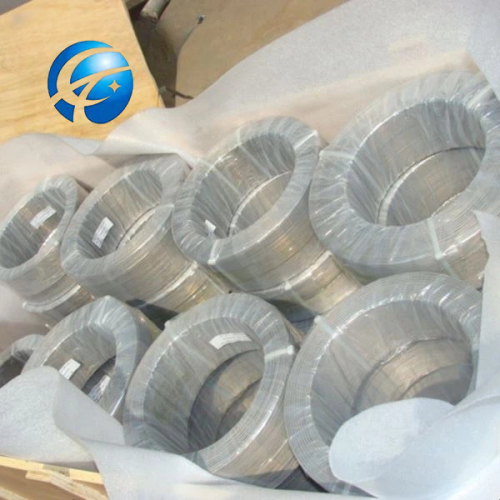 Titanium Welding Wire Coils have great mechanical properties and are very strong. They weigh 4.54g/cm³, which makes them 43% lighter than steel but a bit heavier than magnesium.
- Titanium wire can be divided into: 1. Pure titanium wire; 2. Titanium alloy wire.
- According to the form: 1. Titanium disk wire; 2. Titanium straight wire.
- According to the surface: 1. Pickling surface 2. Bright surface 3. Black surface.
-
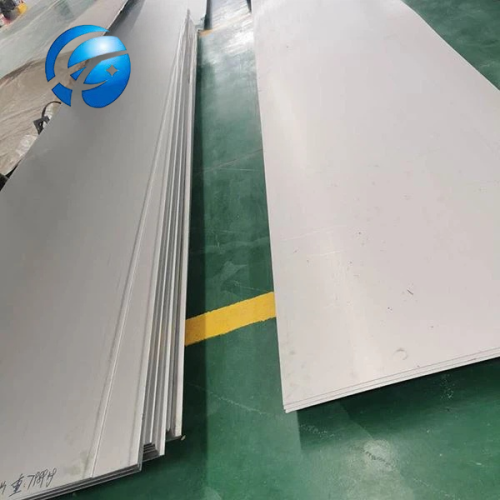
- Plate quality: GR5 titanium alloy plate
- Especificación: about 1000 length, 2000 width, and plate with thickness *1m*2m
- Executive standard: AMS4911, etc.
- Titanium plate features: low density, light texture, high temperature resistance, corrosion resistance, high tensile strength of titanium alloy plate, good mechanical properties.
- Application: widely used in electric power, chemical industry, ship, military industry, aviation, medical treatment, electroplating, petroleum exploitation and other fields.
-
 Titanium TI-6AL-4V-AMS-4928 is made from carefully chosen high-quality sponge titanium as its main ingredient.
- Titanium bar standard: AMS 4928, AMS 6931 and other aerospace standards.
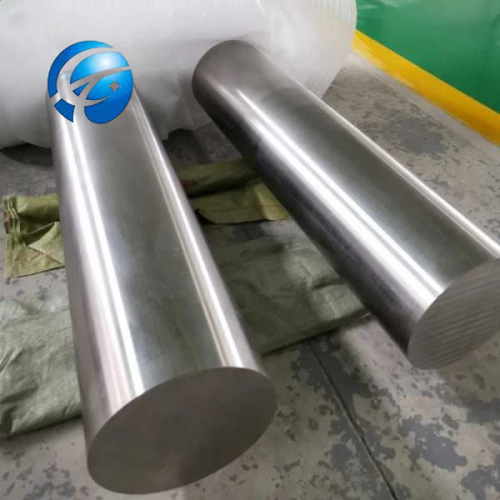
- Titanium rod specifications: Φ(10mm-30mm) x L ≤4000;Φ(30mm-400mm) x L≤5000.
- Estado del suministro: Annealed (M).
- Titanium rod packing: wooden case/standard export packing.
- Quality management: ISO9001, AS9100 aerospace standards.
-
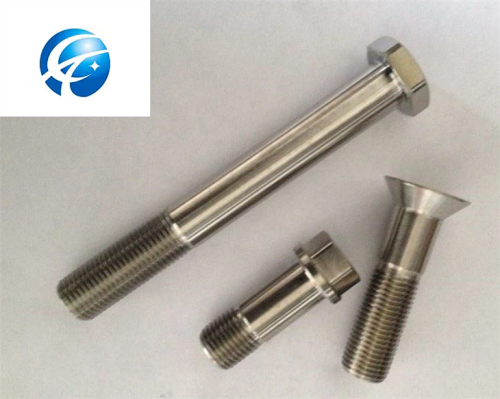 Titanium screws and nuts are tools used to tighten parts gradually by using the physical principles of circular movement and friction. They include various types like titanium screws, titanium alloy screws, titanium fasteners, titanium standards, titanium nuts, and titanium gaskets.
- Products: Titanium screw, titanium bolt, titanium nut, titanium screw
- Materials: TA1, TA2, TC4, Gr1, Gr2, Gr5
- Especificación: M4 ~ M25×L
- Estándar: GB/T DINISO
-
 Titanium square tubes are often used in building and construction projects. They're also useful in making many different things. You can find these tubes in cars, trailers, farm equipment, transport machinery, and many other places.
 -
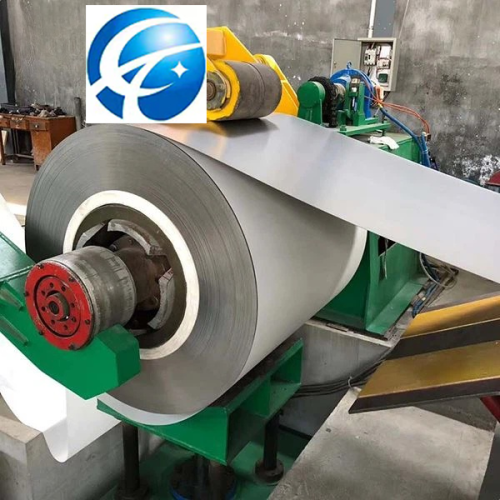 La empresa se centra principalmente en el titanio y las aleaciones de titanio para uso médico. Esto incluye barras de titanio, barras de aleación de titanio y alambres de titanio fabricados para aplicaciones médicas. También ofrecen piezas estándar de titanio, placas de titanio, tubos de titanio, piezas forjadas de titanio y anillos de titanio. Además, ofrecen materiales de titanio y aleaciones de titanio para uso industrial.
 -
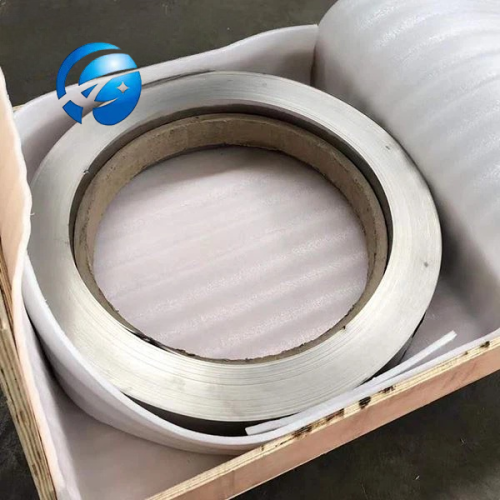
 La chapa y la placa de titanio se utilizan habitualmente en la fabricación actual, siendo las calidades más populares la 2 .3.4 y la 5. GRADOS DE TITANIO MÁS COMUNES:
- CP Grado 2
- CP Grado 3
- CP Grado 4
- Ti-6AL-4V
-
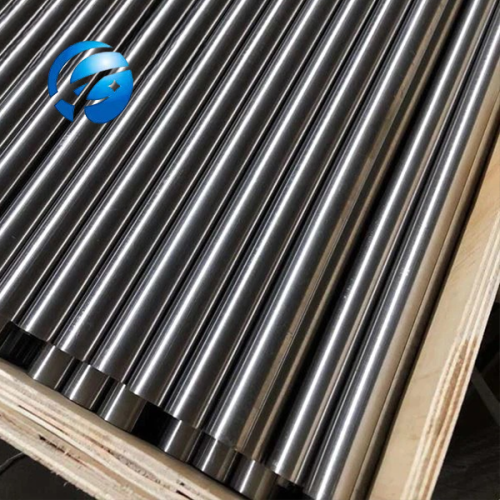 Titanium Round Bar meets the user's needs for strength and chemical makeup. It follows the relevant national standards and comes with genuine material certificates and SGS test reports.
 -
 Titanium round bar is made from titanium, a strong and lightweight metal. It resists corrosion very well and is widely used because of its strength compared to its weight. Titanium round bars are used in many fields, including making parts for airplanes, medical implants, equipment for chemical processing, sports gear, building materials, ship parts, and even car parts.
 -
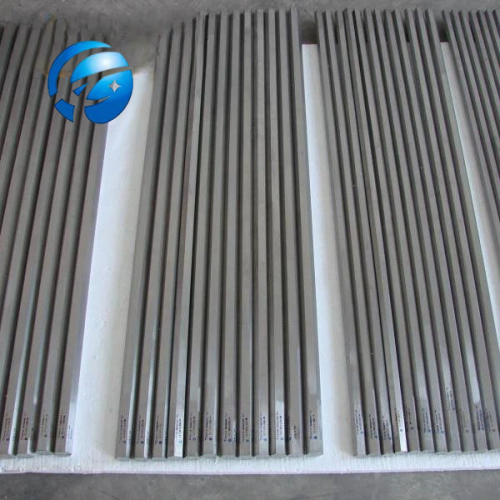 Nuestra empresa puede suministrar barras, chapas, tubos y otros productos con formas personalizadas en función de las necesidades de los clientes.
 -
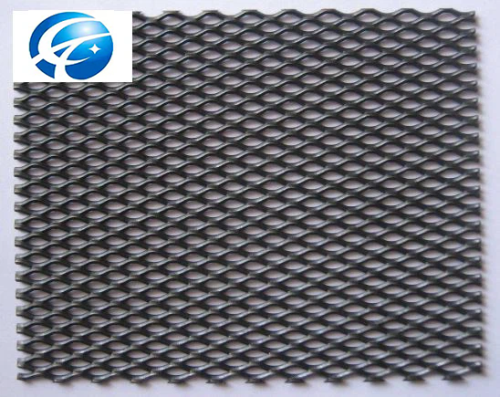 La malla de titanio se utiliza principalmente para tamizar y filtrar en entornos ácidos y alcalinos o para separar gases, líquidos y otros materiales. Existen tres métodos de tejido: tejido liso, tejido de sarga y tejido denso. Debido a la dificultad de trefilar el alambre de titanio, el alambre de titanio más fino actualmente disponible puede alcanzar 0,05 mm, pero tiene poca flexibilidad, alta resistencia y buena elasticidad. Esto dificulta la producción de malla de titanio con un elevado número de aberturas (malla alta).
 -
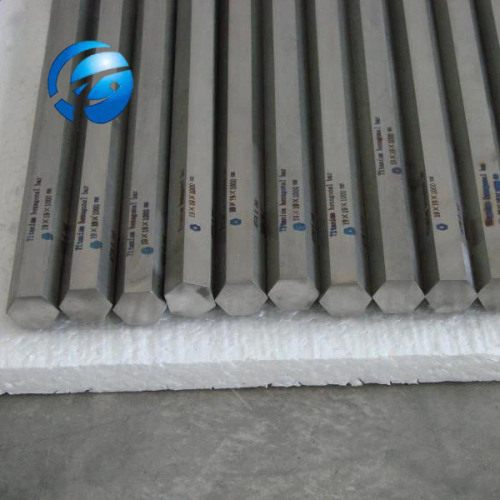 Titanium hexagonal bars are used in many fields, including medicine, aviation, the military, oil and gas, metalworking, electroplating, marine applications, electrolysis, vacuum coating, and sports.
- Brand: GR1, GR2, GR3, GR4, GR5, GR7, GR11, GR12, GR23, etc.
- Estándar: AMS 4928,ASTM F67, ASTMF136, ASTM B381, MIL-T-9047G,ASTM F1295
- forging bar: Ф 8 ~ 350 mm
- Rolling bar: Ф 6 ~ 120 mm
- Longitud: < = 6000mm
-
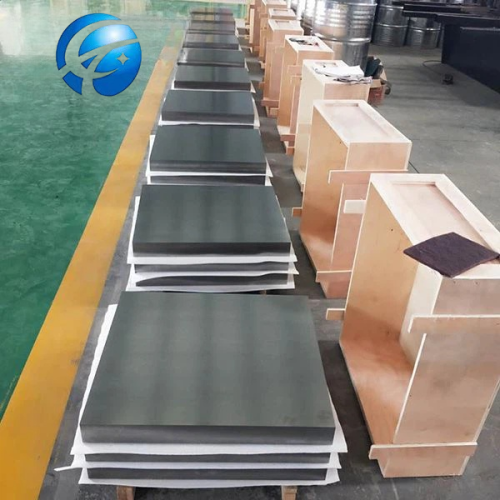
- Nombre del producto: Chapas de titanio ASTM F67 Grado 3
- Material: GR3
- Estándar: BG13810-2007, ASTM F136
- Especificación: placa de 1 m por 2 m
- Grosor: 0,8 mm a 20 mm
- Tolerancia: La tolerancia normal de trabajo es de 5 hilos. Se incluyen pruebas como el análisis metalográfico, las propiedades químicas y las propiedades mecánicas. Facilite la lista de materiales original o la lista de materiales original de Baoti.
-

- Item name: Titanium forging discs, Titanium forged discs, forged rings, forged blocks
- Material:Grade1,Grade2,Grade5,Grade7,Grade12
- Estándar: ASTM B381, AMS 4928, AMS4911, UNS R56400
- Tamaño: φ(30~600)*Thk(200max)
- Packaging: Plywood case or as per clients request
-
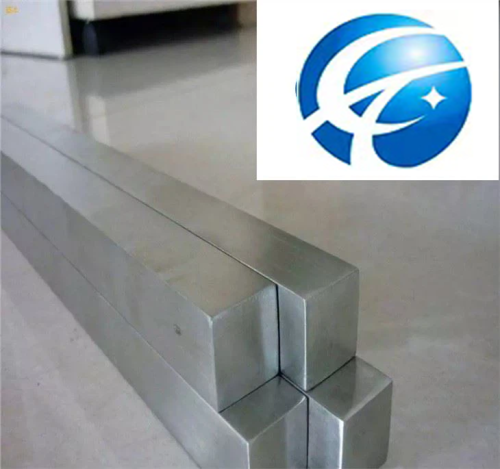 Product Specifications:
- Forged Titanium Flat Bars: Length from 26mm to 200mm, up to 4000mm long.
- Rolled Titanium Flat Bars: Length from 8mm to 25mm, up to 1500mm long.
-
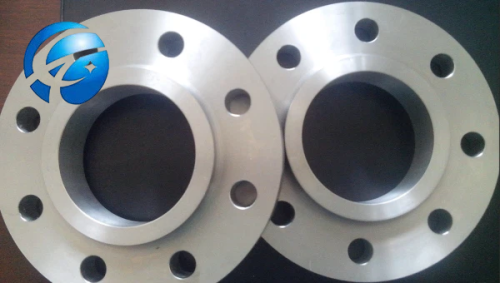 A titanium flange is a part made from titanium or titanium alloy that connects one pipe to another at the end. It has holes where bolts go through to hold two flanges tightly together. Flanges are sealed with liners. When we say "flanged pipe fittings," we mean fittings that have flanged edges or discs. These fittings can be cast, threaded, or welded. Titanium flanges are essential for connecting pressure pipelines. They can also be used to connect the fluid inlets and outlets of pressure vessels, as well as for manholes, pump valves, and connections at the end of shafts.
 -
 Titanium electrode, titanium electrode, titanium alloy electrode
 -
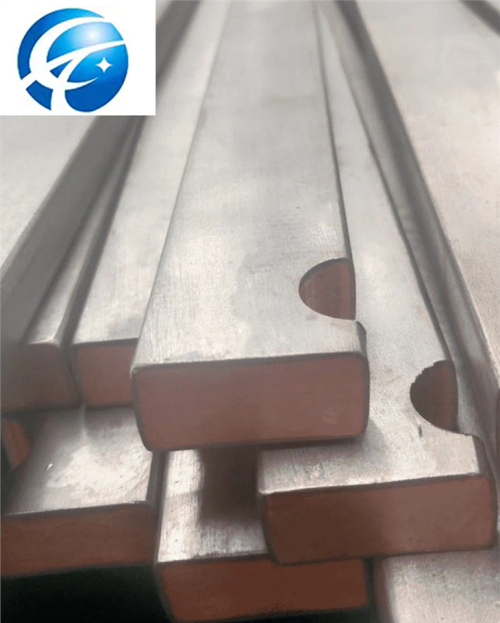
- Norma de aplicación: GB/T12769-2003
- Grados: ZTA1, TA1 ZTA2, TA2 T1 o T2
- Estado de suministro: Estado R, Y, BM o BR
- Método de fabricación: extrusión en caliente, extrusión en caliente + estirado, explosión, explosión + laminado
- Forma de la sección: cuadrado, rectángulo, círculo, tambor, plano
- Estado de la superficie: superficie de extrusión en caliente, superficie de trabajo en frío, superficie de recocido de compuestos explosivos, superficie de trabajo en caliente de compuestos explosivos
-

- A product quality certificate and the original test report from Baoti Test Center or Northwest Institute of Non-ferrous Metals.
- We can package the products according to what the customers want.
- If customers have any complaints within 30 days of receiving the goods, we will offer return and replacement services.
- We guarantee fast delivery.
- We provide free samples.
-

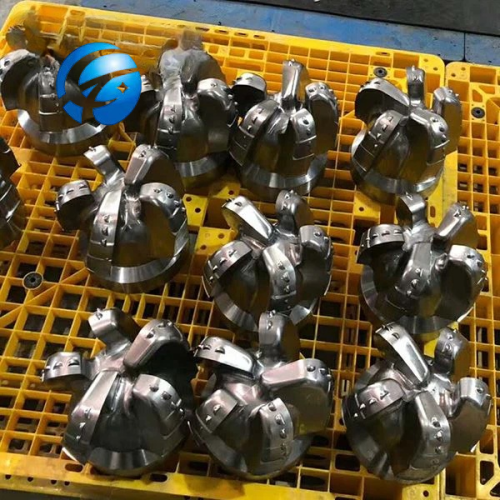 Titanium Alloy Spare Parts achieves good mechanical properties and high rigidity.
 -
 The properties of titanium alloy rods:
- They can be easily shaped when heated.
- They have high welding strength, reaching up to 90%.
- They have good mechanical strength.
- They resist corrosion well.
- They can be used at temperatures up to 400℃ for long periods.
-
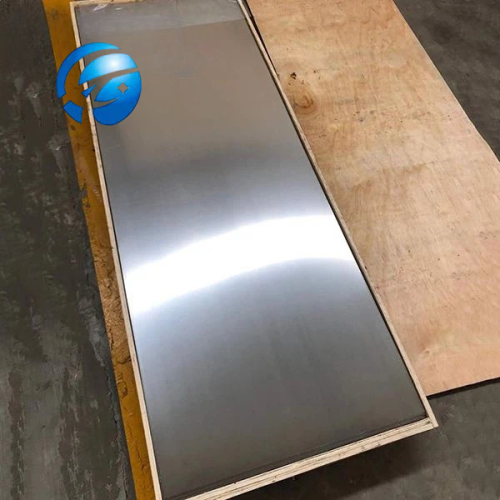
- Estándar: GB/T3621-2007, GB/T13810-2007
- Estándar americano: ASTM B265, ASTM F136, ASTM F67, AMS4928
- Materiales estándar americanos: GR1, GR2, GR3, GR5, GR7, GR12
- Material estándar ruso: BT1-00, BT1-0, BT1-2
- Estado de suministro: estado de trabajo en caliente (R), estado de trabajo en frío (Y), estado recocido (M)
- Espesor (mm) : > 4,0-80,0 (laminado en caliente), 0,3-6,0 (laminado en frío)
- Anchura (mm): 400-3000 (laminado en caliente), 400-1300 (laminado en frío)
- Longitud (mm): 1000-8000 (laminado en caliente), 1000-4000 (laminado en frío)
-
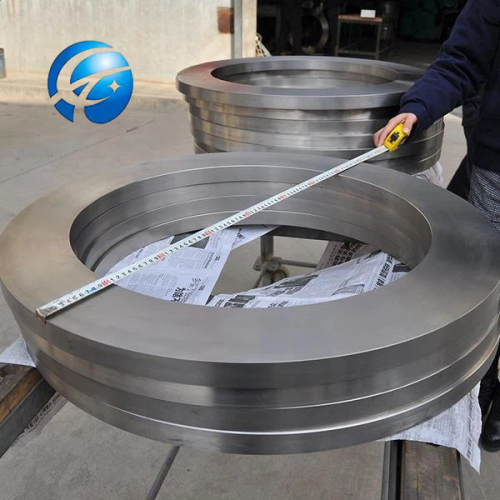 Titanium Alloy Forged Rings are commonly used in the automotive industry because they are lightweight and resist corrosion well.
- Nombre: TC4 titanium forging TC4 titanium alloy ring Titanium alloy forging titanium ring titanium workpiece
- Brand: TA1, TA2, TA9, TA10, TC4, GR1, GR2, GR5, GR7, GR12.
- Implementation standards: GB/T 16598, ASME SB381
- Surface: Forged surface, Rolled surface, Smooth surface, Polished surface.
- Application field: Used in aerospace, medical, chemical, petrochemical, Marine, electrolysis, electroplating and other industries.
-
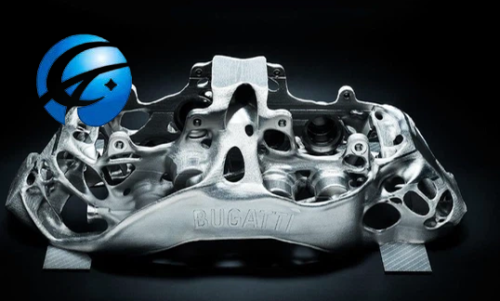
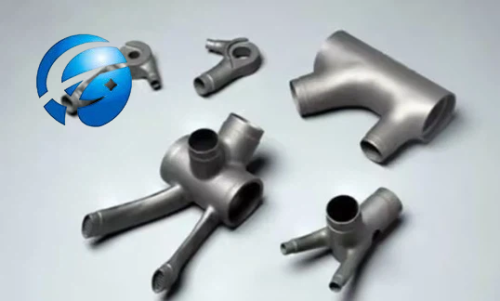 Titanium 3D printing is a way to make objects by building them up layer by layer. Titanium alloys are popular in 3D printing because they are strong, can handle high temperatures, resist corrosion, and work well in cold conditions. This technology is used in areas like medicine, aerospace, and making molds, but there are still many challenges to overcome. In the future, efforts will focus on creating new types of powder, improving the machines used, developing better testing methods, and optimizing the overall process.
 -
Ti6Al4V Titanium Forged Blocks are made using advanced equipment to ensure they are straight, flat, and have a smooth finish. We can provide the best quality based on our clients' specific needs.
-

 Las chapas Ti6Al4V Eli (ASTM F136) son una aleación de titanio resistente y ligera. Se utilizan comúnmente en industrias como la aeroespacial, la de dispositivos médicos y la marina debido a su alta resistencia y durabilidad. Estas chapas son resistentes a la corrosión, por lo que son adecuadas para entornos agresivos como el agua de mar. También funcionan bien a bajas temperaturas. Las chapas Ti6Al4V Eli gozan de gran confianza por su dureza y fiabilidad.
 -

 Ti6Al4V Eli Bars ASTM F136 are a type of TI-6Al-4V alloy that has small gaps, which helps it be very tough. This makes it great for use in seawater and cold environments.
- Estándar: GB/T13810-2007, ASTM F136, ASTM F67
- Marcas: GR5, GR5ELI,GR1, GR2, GR3
- Especificación: Ф 6.0 mm and 8.0 mm, 10 mm, 12 mm, 13 mm16mm
-

- Nombre: Titanium-palladium alloy rod
- Grade: GR7 titanium rod. Titanium-palladium alloy has Ti-0.2Pd, Ti-0.15Pd and Ti-0.13Pd, of which Ti-0.2Pd is widely used in reactors, towers, autoclaves, heat exchangers, pumps, valves, centrifuges, separators, pipes, pipe fittings and electrolyzers in various strong corrosive environments.
- Main components: titanium (Ti) allowance, 0.12≤ palladium (Pd) ≤ 0.25. Nitrogen (N) ≤ 0.03, carbon (C) ≤ 0.08, hydrogen (H) ≤ 0.013, iron (Fe) ≤ 0.250, oxygen (O) ≤ 0.15
- Executive standard: ASTMB348, GB/T2965-07
- Physical properties: density 4.51g/cm3, grain size 6.0-7.0
- Mechanical Properties: Tensile Strength: 270Mpa≥ σb≤410Mpa, Yield Strength σb≥165Mpa: Elongation: δ≥27%
- Production Status: Hot Worked (R) Cold Worked (Y) Annealed (M) Solution (ST)
-
 Seamless Titanium Tubes ASTM B338 are titanium tubes with a hollow center and no seams or joints.
 -
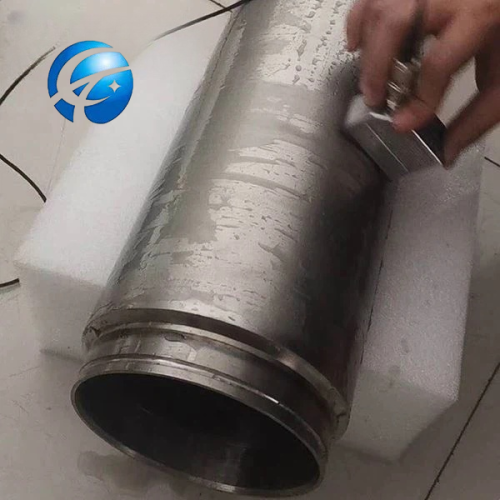 Pure titanium tubes are lightweight, strong, and have excellent mechanical properties. Because of this, many nuclear power industries use titanium tubes as the standard choice for their equipment.
- Especificación: (3~210) * (0.2~30) * L
- Execution standard: GB/T3624, GB/T3625, ASTMB337, ASTMB338
-

 Pure Titanium Forged Blocks are great at resisting wear and corrosion.
- Material : Gr1, Gr2, Gr3, Gr4, Gr5, Gr7, Gr9, Gr11, Gr12, etc.
- Estándar: AMS, ASTM, ISO, MIL, etc.
- Application: Aerospace, Medical, Industries.
-

 Titanium parts made from samples are processed using advanced machines like five-axis and four-axis CNC machining centers, three-axis machining centers, and high-precision measuring tools like three-coordinate detectors. This ensures high accuracy in the production.
 -

 Titanium parts made based on drawings are commonly used in the petroleum industry. They are used for items like the outer cylinder of logging instruments, protective cylinders for inclinometers, and beryllium bronze joints.
 -
Pure Titanium and Titanium Alloy Materials: We offer various grades like Gr1, Gr2, Gr3, Gr4, Gr5, Gr7, Gr9, Gr11, Gr12, and Gr23 (Ti6Al4V Eli). Our materials meet standards such as AMS, ASTM, ISO, MIL, and EN. The diameters range from 2mm to 450mm. These materials are used in fields like aerospace, medicine, and various industries.
 Spanish
  English
  Arabic
  Russian
  French
  German
  Italian
  Japanese
  Portuguese
  Esperanto