
-
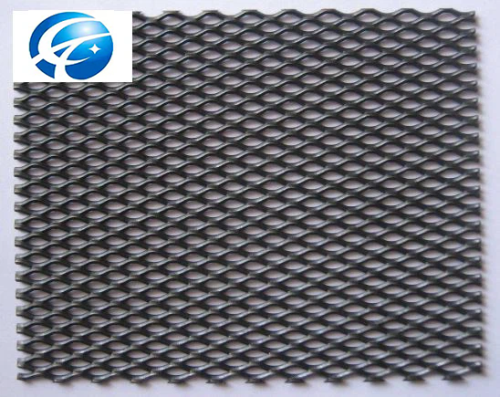 Titanium mesh is mainly used for screening and filtering in acidic and alkaline environments or for separating gases, liquids, and other materials. There are three weaving methods: plain weave, twill weave, and dense weave. Because it’s hard to draw titanium wire, the finest titanium wire currently available can reach 0.05 mm, but it has low flexibility, high strength, and good elasticity. This makes it difficult to produce titanium mesh with a high number of openings (high mesh).
 -

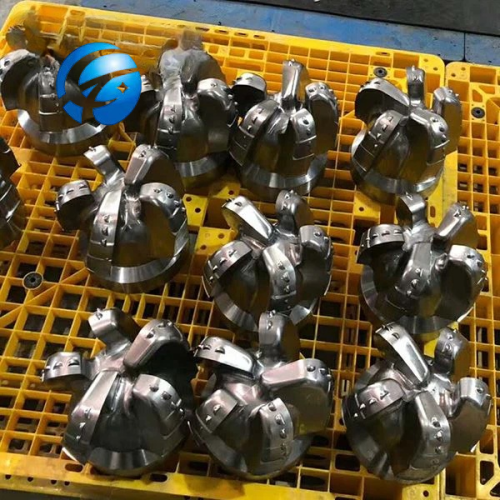 Titanium Alloy Spare Parts achieves good mechanical properties and high rigidity.
 -

 Titanium parts made based on drawings are commonly used in the petroleum industry. They are used for items like the outer cylinder of logging instruments, protective cylinders for inclinometers, and beryllium bronze joints.
 -

 Titanium parts made from samples are processed using advanced machines like five-axis and four-axis CNC machining centers, three-axis machining centers, and high-precision measuring tools like three-coordinate detectors. This ensures high accuracy in the production.
 -


- The product name: Customized Titanium Machined Parts
- Material: Titanium and titanium alloy
- Process: Hot forging, CNC machining, turning, milling, rolling thread, laser marking, overall inspection, packaging, delivery.
- Surface treatment: Polishing, sandblasting, combustion, anodic oxidation, PVD, nitriding
- Color: Anodizing: blue, purple, gold, green, rainbow, black
- Physical vapor deposition (PVD)/ Nitrides: black, gold, rainbow,burning blue
- Standard: GB/T, ASTM, ASME, AMS, ISO, JIS, MIL
- Specification: Customized by drawing or sample.
- Tolerance: +/-0.01-0.05 mm
-

 Anodized Titanium Products reflect and bend light in a clear way, and the thickness of the oxide layer can create different colors.
 -
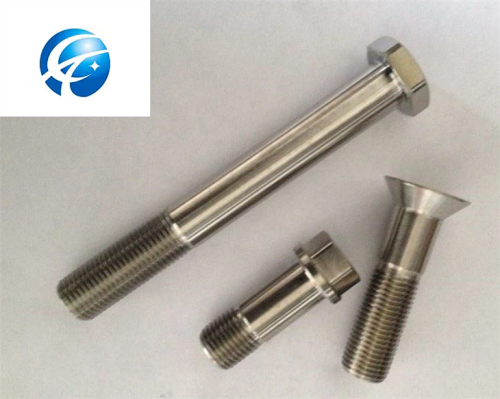 Titanium screws and nuts are tools used to tighten parts gradually by using the physical principles of circular movement and friction. They include various types like titanium screws, titanium alloy screws, titanium fasteners, titanium standards, titanium nuts, and titanium gaskets.
- Products: Titanium screw, titanium bolt, titanium nut, titanium screw
- Materials: TA1, TA2, TC4, Gr1, Gr2, Gr5
- Specification: M4 ~ M25×L
- Standard: GB/T DINISO
-
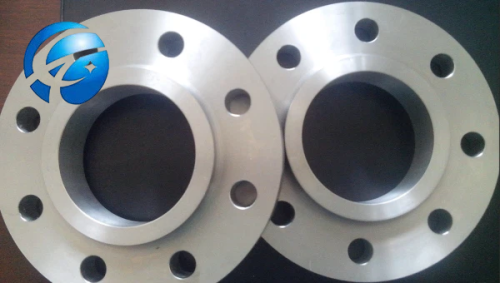 A titanium flange is a part made from titanium or titanium alloy that connects one pipe to another at the end. It has holes where bolts go through to hold two flanges tightly together. Flanges are sealed with liners. When we say "flanged pipe fittings," we mean fittings that have flanged edges or discs. These fittings can be cast, threaded, or welded. Titanium flanges are essential for connecting pressure pipelines. They can also be used to connect the fluid inlets and outlets of pressure vessels, as well as for manholes, pump valves, and connections at the end of shafts.
 -
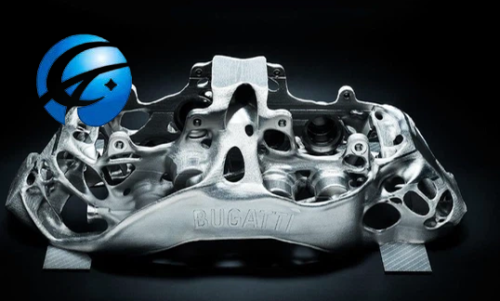
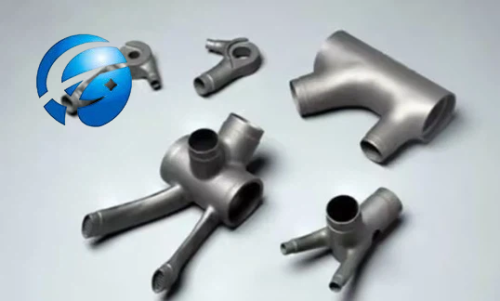 Titanium 3D printing is a way to make objects by building them up layer by layer. Titanium alloys are popular in 3D printing because they are strong, can handle high temperatures, resist corrosion, and work well in cold conditions. This technology is used in areas like medicine, aerospace, and making molds, but there are still many challenges to overcome. In the future, efforts will focus on creating new types of powder, improving the machines used, developing better testing methods, and optimizing the overall process.
 -
 Titanium square tubes are often used in building and construction projects. They're also useful in making many different things. You can find these tubes in cars, trailers, farm equipment, transport machinery, and many other places.
 -
 Seamless Titanium Tubes ASTM B338 are titanium tubes with a hollow center and no seams or joints.
 -
 Welding Titanium Pipe is made from pure titanium using special techniques like cold bending, welding, and testing methods. The pipe has an even wall thickness, a highly accurate outer diameter, and can be made in any length. It is environmentally friendly and produced efficiently in large quantities with high precision for both titanium and titanium alloy tubes.
 English
  Arabic
  Spanish
  Russian
  French
  German
  Italian
  Japanese
  Portuguese
  Esperanto