


Titanium 3D Printing
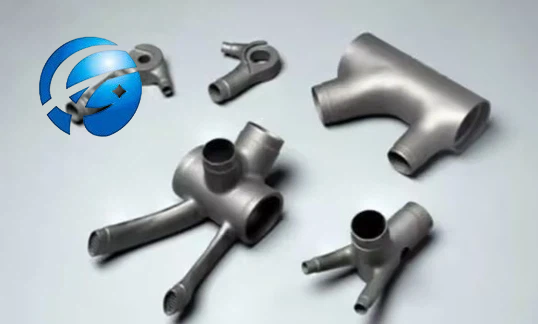
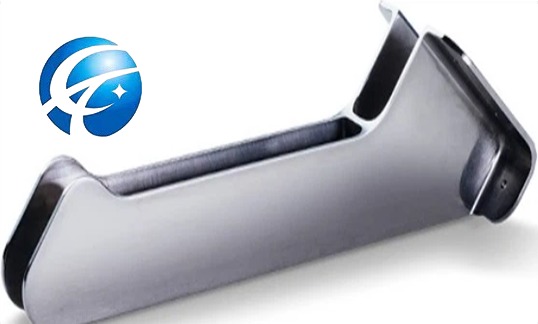
Titanium 3D printing is a way to make objects by building them up layer by layer. Titanium alloys are popular in 3D printing because they are strong, can handle high temperatures, resist corrosion, and work well in cold conditions. This technology is used in areas like medicine, aerospace, and making molds, but there are still many challenges to overcome. In the future, efforts will focus on creating new types of powder, improving the machines used, developing better testing methods, and optimizing the overall process.
Product Introduction
Titanium is as strong as steel but weighs only half as much, making it great for 3D printing, even though it’s a bit tricky to work with!
Titanium TiAl6V4
Titanium gives you strong and lightweight parts that resist corrosion and are safe for the body. You can also use heat treatments to make your components even stronger.
Design Specifications
- Minimum Wall Thickness: 1 mm
- Minimum Detail Size: 0.25 mm
- Accuracy: ±0.2% (at least ±200µ)
- Maximum Size: 220 x 220 x 250 mm
- Clearance: Not applicable
- Enclosed Parts: No
- Interlocking Parts: No
Additional Information
Titanium is a hypoallergenic metal, which means it’s great for jewelry if you have metal allergies or sensitive skin.
You can create unique shapes that you can’t make using other methods. However, when supports are removed, there might be some signs left on your model. Structures that hang or have angles smaller than 35° may not look as good with this method.
The best shapes to make are mesh designs since they’re easy to create and give the best results. Titanium is made of 88-90% titanium, 5.5-6.75% aluminum, and 3.5-4.5% vanadium.
Applications for 3D-Printed Titanium
Because it is lightweight, very strong, and resistant to high temperatures and corrosion, titanium is often used in aerospace, industry, and medicine. Common uses include:
- Compressor blades and discs
- Rings for jet engines
- Parts for aircraft and space capsules
- Surgical instruments
- Medical implants
The unique properties of titanium
| Sector | Properties | Applications |
|---|---|---|
| Aerospace | Corrosion resistance High strength-to-weight ratio High temperature resistance |
Airframe and wing structures Smaller parts like compressor blades, rotors and other turbine engine components |
| Medical | Excellent strength Biocompatibility (non-toxic, non-allergenic) |
Orthopaedic devices like spine, hip and knee implants. |
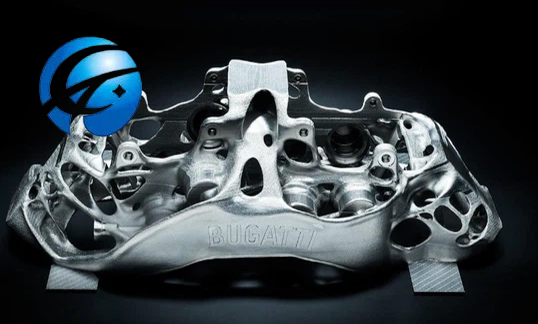
| Automotive & Motorsports | Corrosion resistance High strength-to-weight ratio High temperature resistance |
Brake calipers, brackets, wheel rims, uprights. |


 Esperanto
  English
  Arabic
  Spanish
  Russian
  French
  German
  Italian
  Japanese
  Portuguese