
-

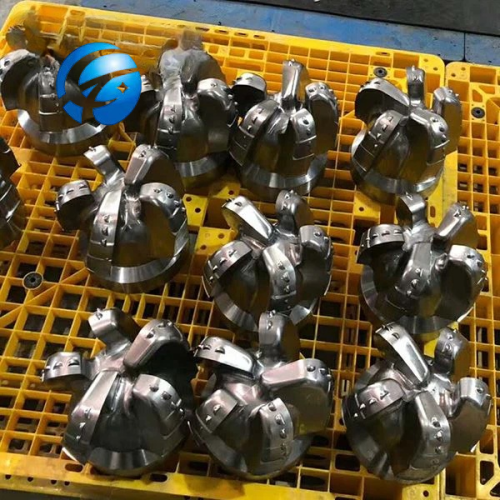 Ersatzteile aus Titanlegierungen weisen gute mechanische Eigenschaften und eine hohe Steifigkeit auf.
 -
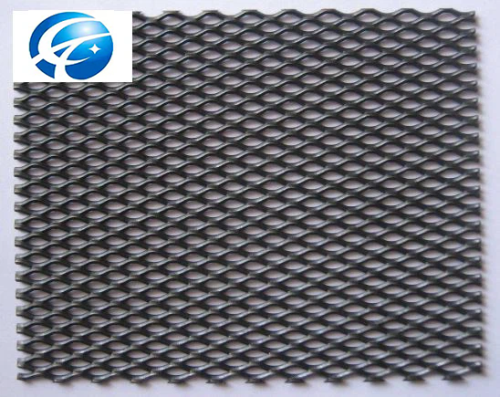 Titanium mesh is mainly used for screening and filtering in acidic and alkaline environments or for separating gases, liquids, and other materials. There are three weaving methods: plain weave, twill weave, and dense weave. Because it’s hard to draw titanium wire, the finest titanium wire currently available can reach 0.05 mm, but it has low flexibility, high strength, and good elasticity. This makes it difficult to produce titanium mesh with a high number of openings (high mesh).
 -
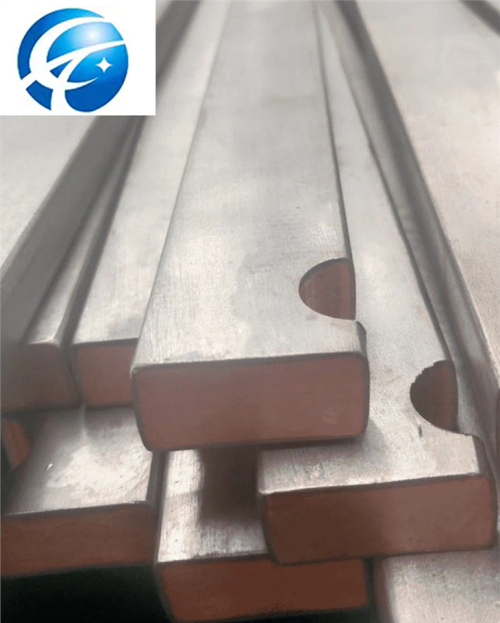
- Implementation standard: GB/T12769-2003
- Grades: ZTA1, TA1 ZTA2, TA2 T1 or T2
- Supply state: R, Y, BM, or BR state
- Manufacturing method: hot extrusion, hot extrusion + stretching, explosion, explosion + rolling
- Section shape: square, rectangle, circle, drum, flat
- Surface status: hot extrusion surface, cold working surface, explosive composite annealing surface, explosive composite hot working surface
-
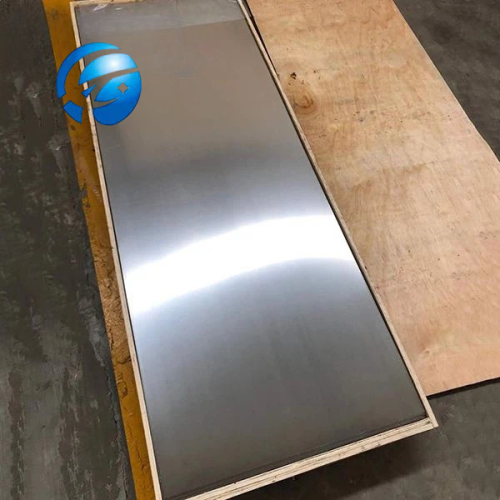
- Standard: GB/T3621-2007, GB/T13810-2007
- American standard: ASTM B265, ASTM F136, ASTM F67, AMS4928
- American standard materials: GR1, GR2, GR3, GR5, GR7, GR12
- Russian standard material: BT1-00, BT1-0, BT1-2
- Supply state: hot working state (R), cold working state (Y), annealed state (M)
- Thickness (mm) : > 4.0-80.0 (hot rolling), 0.3-6.0 (cold rolling)
- Width (mm): 400-3000 (hot rolling), 400-1300 (cold rolling)
- Length (mm): 1000-8000 (hot rolling), 1000-4000 (cold rolling)
-

 Gr11 Titanium Sheets ASTM B265 have excellent resistance to acid and alkali corrosion. Pd: 0.12-0.15, Fe≤0.30, C≤0.08, N≤0.03,H≤0.015,O≤0.25 Spezifikation: Thickness: 1-35mm Width: 1000 mm or more Length: 2000 mm or more
 -
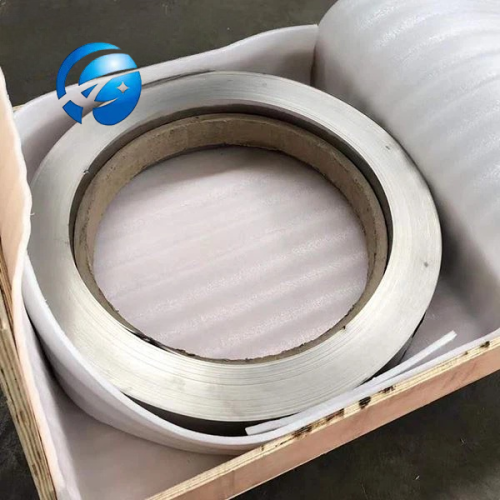
 Titanium sheet and plate are commonly used in manufacturing today, with the most popular grades being 2 .3.4 and 5. MOST COMMON TITANIUM GRADES:
- CP Grade 2
- CP Grade 3
- CP Grade 4
- Ti-6AL-4V
-

 Ti6Al4V Eli Sheets (ASTM F136) are a strong and lightweight titanium alloy. They are commonly used in industries like aerospace, medical devices, and marine because of their high strength and durability. These sheets resist corrosion, making them suitable for harsh environments like seawater. They also perform well in low temperatures. Ti6Al4V Eli Sheets are widely trusted for their toughness and reliability.
 -
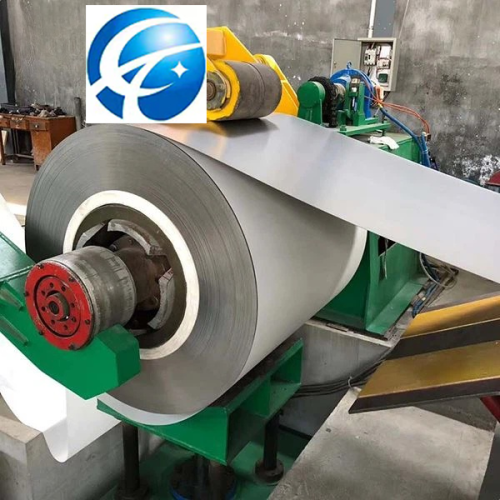 The company mainly focuses on titanium and titanium alloys for medical use. This includes titanium rods, titanium alloy rods, and titanium wires made for medical applications. They also offer standard titanium parts, titanium plates, titanium tubes, titanium forgings, and titanium rings. Additionally, they provide titanium and titanium alloy materials for industrial use.
 -


- Category: Nonferrous metals
- Brands: GR1, GR2, GR3, GR5, GR7, GR12
- Colour: Matte colour
- Gloss: Metallic luster
- Transparency: Opacity
- Hardness: HB150-HB340
- Weight: 4.51
- Used: aviation, chemical, petroleum, machinery, medical and other industries
- Size: T 0.5-5.0mm x W1000mm x L 2000-3500MMT 6.0-30mm x W1000mm X L 3000-6000MMT 30-80mm x W1000mm x L 2000mm
- Hot working condition (R)
- Cold working state (Y)
- Annealed state (M)
-

- Name: GR1 GR2 Reintitanblech
- Material: Gr1 Titanplatte GR2 Titanplatte, 99.5% Reintitanplatte, Titanplatte 0.3mm dick, 0.4-1.0mm dick, 1.00-3.0mm dick, 3.0-18mm dick, 2000 mm breite Titanplatte, 5000 mm lange Titanplatte
- Iso9001: 2000 Zertifizierung des Qualitätssystems nach ASTMB265/ASTM F136 /ASTM F67 Standard.
-
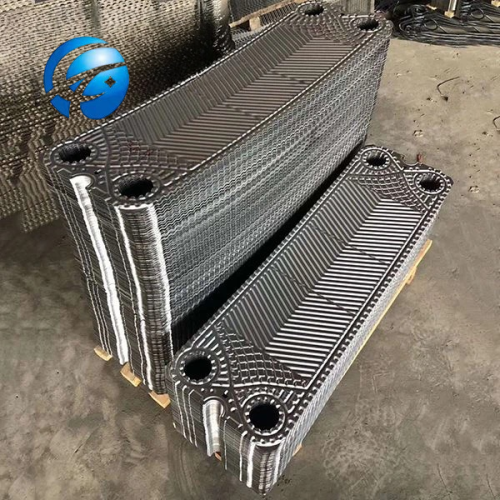
 ASTM B265 Gr1 Titanium Sheets have an oxide layer on the surface, which acts like a protective coating that resists wear.
- Material: GR1
- Standard: ASTM B265
- Packing: Packed in wooden cases
- Process: Cold rolling
-

- STP stage: solid
- Appearance: Silver grey white metal
- Melting point: 194k (1668°C, 3034°F)
- Boiling point: 3560 K (3287°C, 5949°F)
- Density (near room temperature): 4.506 g/cm3
- Liquid time (melting point): 4.11 g/cm3
- Heat of fusion: 14.15 kJ/mol
- Heat of vaporization: 425 kJ/mol
- Molar heat capacity: 25.060 J/(mol·K)
 German
  English
  Arabic
  Spanish
  Russian
  French
  Italian
  Japanese
  Portuguese
  Esperanto