
-
 Welding Titanium Pipe is made from pure titanium using special techniques like cold bending, welding, and testing methods. The pipe has an even wall thickness, a highly accurate outer diameter, and can be made in any length. It is environmentally friendly and produced efficiently in large quantities with high precision for both titanium and titanium alloy tubes.
 -
 Titanium Welding Wire on Spool is used in many areas, including aerospace, aviation, the military, light industry, chemical industry, 3D printing, welding, textiles, electronics, superconductivity, medicine, and petrochemicals.
- Brands: ERTI-1, ERTI-2, ERTi-3, ERTI-4, ERTi-5
- Implementation standards: AWS A5.16, GB/T3623, ASTM B865
- Specifications:¢1.0, 1.2, 1.6mm (Titanium Welding Wire On Spool)
- Surface treatment: bright surface
- Surface Quality: The wire has a high level of precision and a smooth finish, with no oxidation color, cracks, peeling, pricking, speckles, or inclusions. Minor scratches, scrapes, spots, or pits are okay as long as they don't go beyond the acceptable size for the wire's diameter.
- Advantages: The wire resists corrosion and can handle high and low temperatures. It is also non-toxic, non-magnetic, strong, and has low thermal conductivity.
-
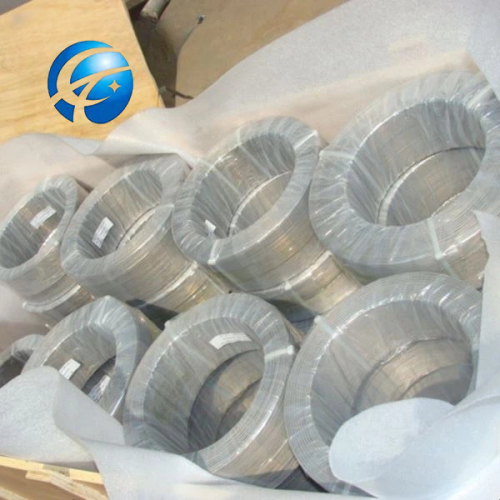 Titanium Welding Wire Coils have great mechanical properties and are very strong. They weigh 4.54g/cm³, which makes them 43% lighter than steel but a bit heavier than magnesium.
- Titanium wire can be divided into: 1. Pure titanium wire; 2. Titanium alloy wire.
- According to the form: 1. Titanium disk wire; 2. Titanium straight wire.
- According to the surface: 1. Pickling surface 2. Bright surface 3. Black surface.
-
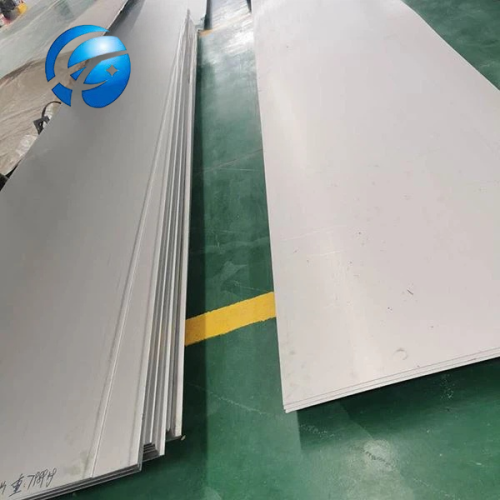
- Plate quality: GR5 titanium alloy plate
- Specification: about 1000 length, 2000 width, and plate with thickness *1m*2m
- Executive standard: AMS4911, etc.
- Titanium plate features: low density, light texture, high temperature resistance, corrosion resistance, high tensile strength of titanium alloy plate, good mechanical properties.
- Application: widely used in electric power, chemical industry, ship, military industry, aviation, medical treatment, electroplating, petroleum exploitation and other fields.
-
 Titanium TI-6AL-4V-AMS-4928 is made from carefully chosen high-quality sponge titanium as its main ingredient.
- Titanium bar standard: AMS 4928, AMS 6931 and other aerospace standards.
- Titanium rod specifications: Φ(10mm-30mm) x L ≤4000;Φ(30mm-400mm) x L≤5000.
- Supply status: Annealed (M).
- Titanium rod packing: wooden case/standard export packing.
- Quality management: ISO9001, AS9100 aerospace standards.
-
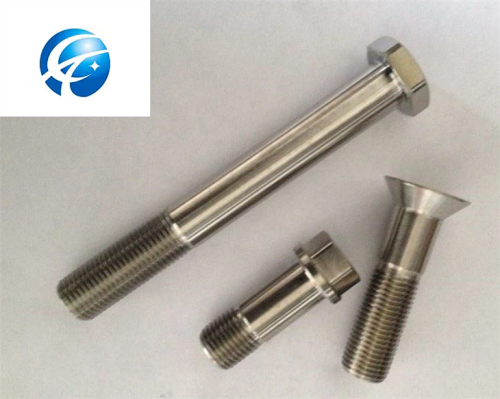 Titanium screws and nuts are tools used to tighten parts gradually by using the physical principles of circular movement and friction. They include various types like titanium screws, titanium alloy screws, titanium fasteners, titanium standards, titanium nuts, and titanium gaskets.
- Products: Titanium screw, titanium bolt, titanium nut, titanium screw
- Materials: TA1, TA2, TC4, Gr1, Gr2, Gr5
- Specification: M4 ~ M25×L
- Standard: GB/T DINISO
-
 Titanium square tubes are often used in building and construction projects. They're also useful in making many different things. You can find these tubes in cars, trailers, farm equipment, transport machinery, and many other places.
 -
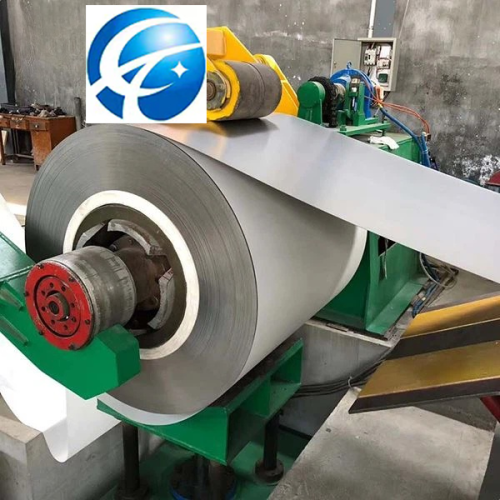 The company mainly focuses on titanium and titanium alloys for medical use. This includes titanium rods, titanium alloy rods, and titanium wires made for medical applications. They also offer standard titanium parts, titanium plates, titanium tubes, titanium forgings, and titanium rings. Additionally, they provide titanium and titanium alloy materials for industrial use.
 -
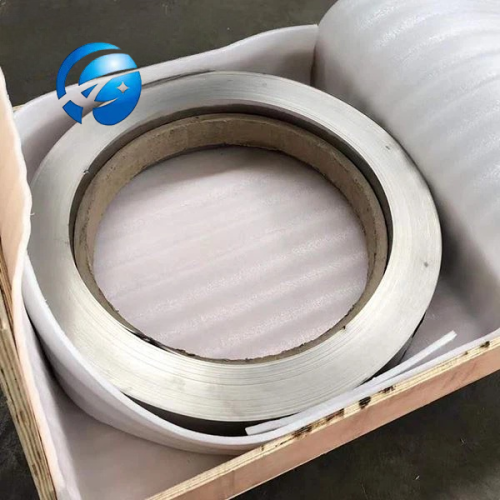
 Titanium sheet and plate are commonly used in manufacturing today, with the most popular grades being 2 .3.4 and 5. MOST COMMON TITANIUM GRADES:
- CP Grade 2
- CP Grade 3
- CP Grade 4
- Ti-6AL-4V
-
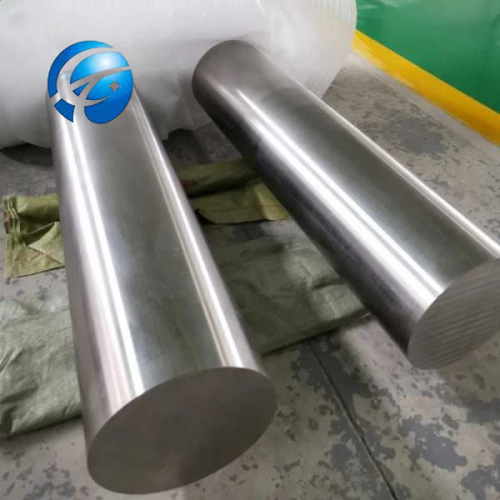
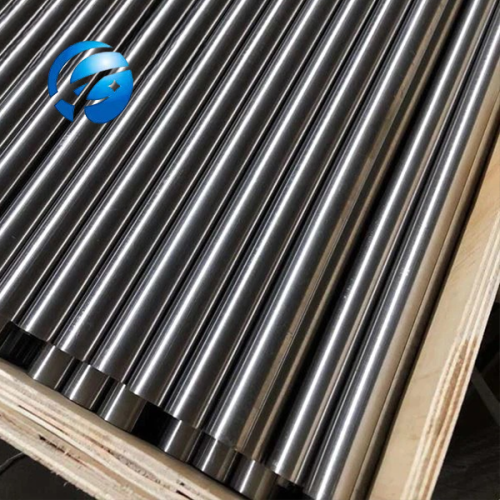 Titanium Round Bar meets the user's needs for strength and chemical makeup. It follows the relevant national standards and comes with genuine material certificates and SGS test reports.
 -
 Titanium round bar is made from titanium, a strong and lightweight metal. It resists corrosion very well and is widely used because of its strength compared to its weight. Titanium round bars are used in many fields, including making parts for airplanes, medical implants, equipment for chemical processing, sports gear, building materials, ship parts, and even car parts.
 -
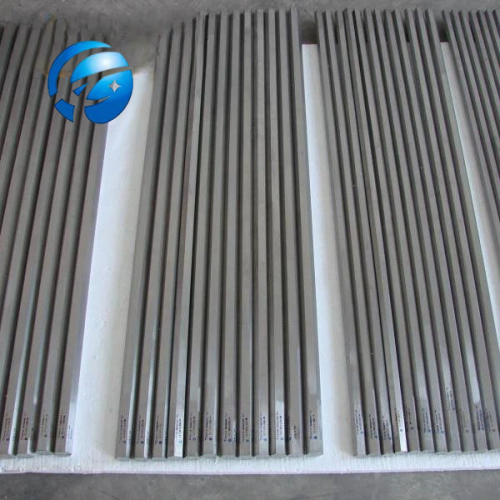 Our company can provide custom-shaped bars, sheets, pipes, and more based on what customers need.
 -
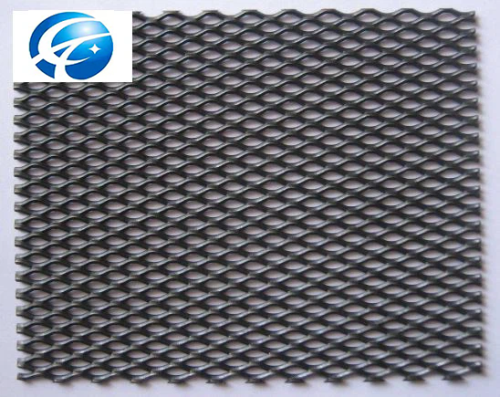 Titanium mesh is mainly used for screening and filtering in acidic and alkaline environments or for separating gases, liquids, and other materials. There are three weaving methods: plain weave, twill weave, and dense weave. Because it’s hard to draw titanium wire, the finest titanium wire currently available can reach 0.05 mm, but it has low flexibility, high strength, and good elasticity. This makes it difficult to produce titanium mesh with a high number of openings (high mesh).
 -
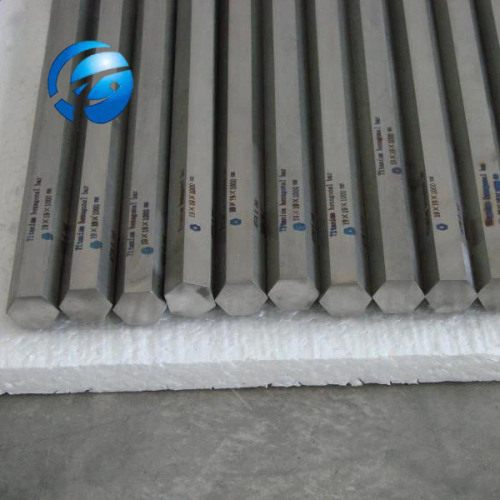 Titanium hexagonal bars are used in many fields, including medicine, aviation, the military, oil and gas, metalworking, electroplating, marine applications, electrolysis, vacuum coating, and sports.
- Brand: GR1, GR2, GR3, GR4, GR5, GR7, GR11, GR12, GR23, etc.
- Standard: AMS 4928,ASTM F67, ASTMF136, ASTM B381, MIL-T-9047G,ASTM F1295
- forging bar: Ф 8 ~ 350 mm
- Rolling bar: Ф 6 ~ 120 mm
- Length: < = 6000mm
-
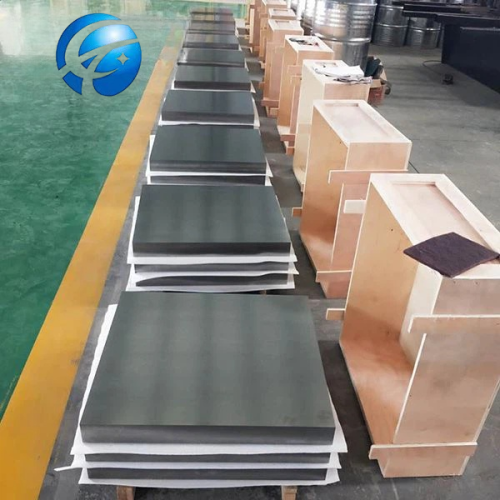
- Product name: Titanium ASTM F67 Grade 3 Sheets
- Material: GR3
- Standard: BG13810-2007, ASTM F136
- Specification: label plate 1 m by 2 m
- Thickness: 0.8 mm to 20 mm
- Tolerance: Normal working tolerance is within 5 threads. Included are tests like metallographic analysis, chemical properties, and mechanical properties. Provide the original material list or the Baoti original material list.
-

- Item name: Titanium forging discs, Titanium forged discs, forged rings, forged blocks
- Material:Grade1,Grade2,Grade5,Grade7,Grade12
- Standard: ASTM B381, AMS 4928, AMS4911, UNS R56400
- Size: φ(30~600)*Thk(200max)
- Packaging: Plywood case or as per clients request
-
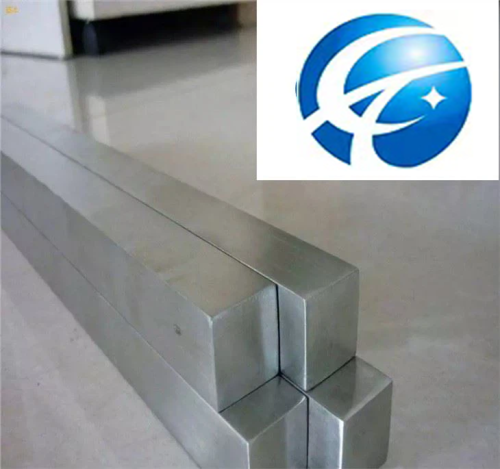 Product Specifications:
- Forged Titanium Flat Bars: Length from 26mm to 200mm, up to 4000mm long.
- Rolled Titanium Flat Bars: Length from 8mm to 25mm, up to 1500mm long.
-
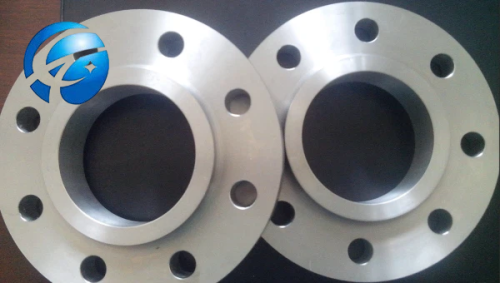 A titanium flange is a part made from titanium or titanium alloy that connects one pipe to another at the end. It has holes where bolts go through to hold two flanges tightly together. Flanges are sealed with liners. When we say "flanged pipe fittings," we mean fittings that have flanged edges or discs. These fittings can be cast, threaded, or welded. Titanium flanges are essential for connecting pressure pipelines. They can also be used to connect the fluid inlets and outlets of pressure vessels, as well as for manholes, pump valves, and connections at the end of shafts.
 -
 Titanium electrode, titanium electrode, titanium alloy electrode
 -
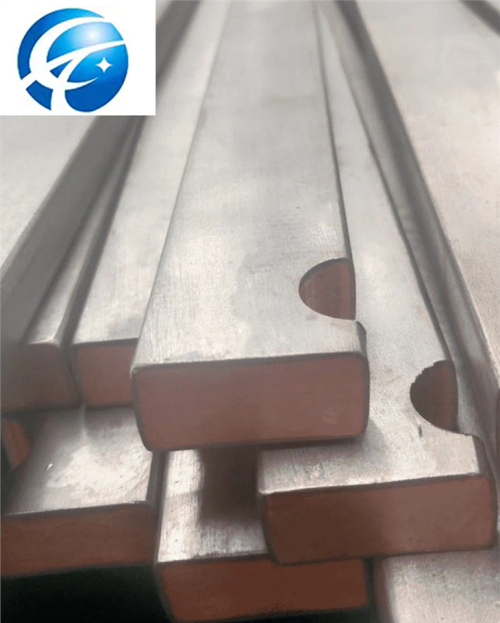
- Implementation standard: GB/T12769-2003
- Grades: ZTA1, TA1 ZTA2, TA2 T1 or T2
- Supply state: R, Y, BM, or BR state
- Manufacturing method: hot extrusion, hot extrusion + stretching, explosion, explosion + rolling
- Section shape: square, rectangle, circle, drum, flat
- Surface status: hot extrusion surface, cold working surface, explosive composite annealing surface, explosive composite hot working surface
-

- A product quality certificate and the original test report from Baoti Test Center or Northwest Institute of Non-ferrous Metals.
- We can package the products according to what the customers want.
- If customers have any complaints within 30 days of receiving the goods, we will offer return and replacement services.
- We guarantee fast delivery.
- We provide free samples.
-

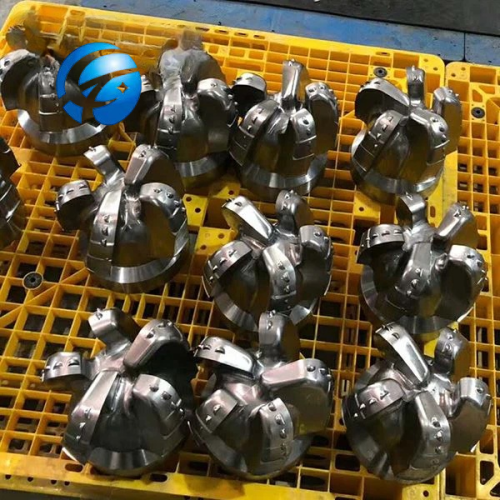 Titanium Alloy Spare Parts achieves good mechanical properties and high rigidity.
 -
 The properties of titanium alloy rods:
- They can be easily shaped when heated.
- They have high welding strength, reaching up to 90%.
- They have good mechanical strength.
- They resist corrosion well.
- They can be used at temperatures up to 400℃ for long periods.
-
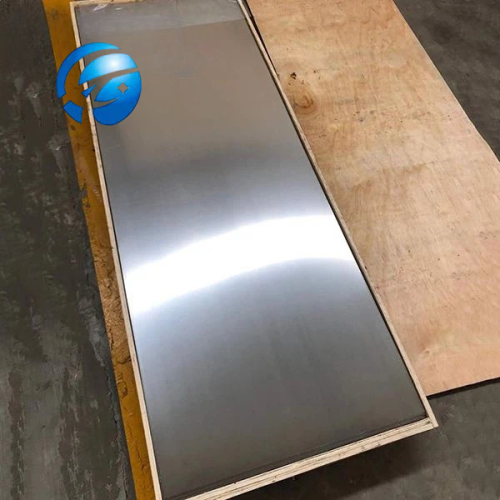
- Standard: GB/T3621-2007, GB/T13810-2007
- American standard: ASTM B265, ASTM F136, ASTM F67, AMS4928
- American standard materials: GR1, GR2, GR3, GR5, GR7, GR12
- Russian standard material: BT1-00, BT1-0, BT1-2
- Supply state: hot working state (R), cold working state (Y), annealed state (M)
- Thickness (mm) : > 4.0-80.0 (hot rolling), 0.3-6.0 (cold rolling)
- Width (mm): 400-3000 (hot rolling), 400-1300 (cold rolling)
- Length (mm): 1000-8000 (hot rolling), 1000-4000 (cold rolling)
 Arabic
  English
  Spanish
  Russian
  French
  German
  Italian
  Japanese
  Portuguese
  Esperanto